

Disclosure As an Amazon Associate I earn from qualifying purchases.
Part 1: Introduction to Tiny Land Play Kitchen
The Tiny Land Play Kitchen is more than just a toy; it’s a gateway to imagination, creativity, and learning for children. Designed to replicate a real kitchen in a miniature and safe format, this play kitchen encourages kids to explore cooking, role-playing, and problem-solving in a fun and educational environment. With the growing trend of educational toys, Tiny Land Play Kitchen stands out as a top choice for parents who want to combine entertainment with skill-building.
Why Choose Tiny Land Play Kitchen?
Many parents ask why they should invest in a play kitchen instead of regular toys. The answer lies in the multiple benefits it provides:
- Imagination and Role-Playing: Children love imitating adults, and kitchens provide the perfect scenario. With Tiny Land Play Kitchen, kids can pretend to cook, serve food, and organize their kitchen space, enhancing creativity.
- Social Skills: Play kitchens often encourage group play, teaching children important social skills like sharing, negotiation, and teamwork.
- Cognitive Development: Learning to follow recipes, organize items, and use kitchen tools helps develop problem-solving skills and hand-eye coordination.
- Safety and Durability: Unlike real kitchens, the Tiny Land Play Kitchen is built with child-safe materials, ensuring that little hands can explore freely without risk.
Key Features of Tiny Land Play Kitchen
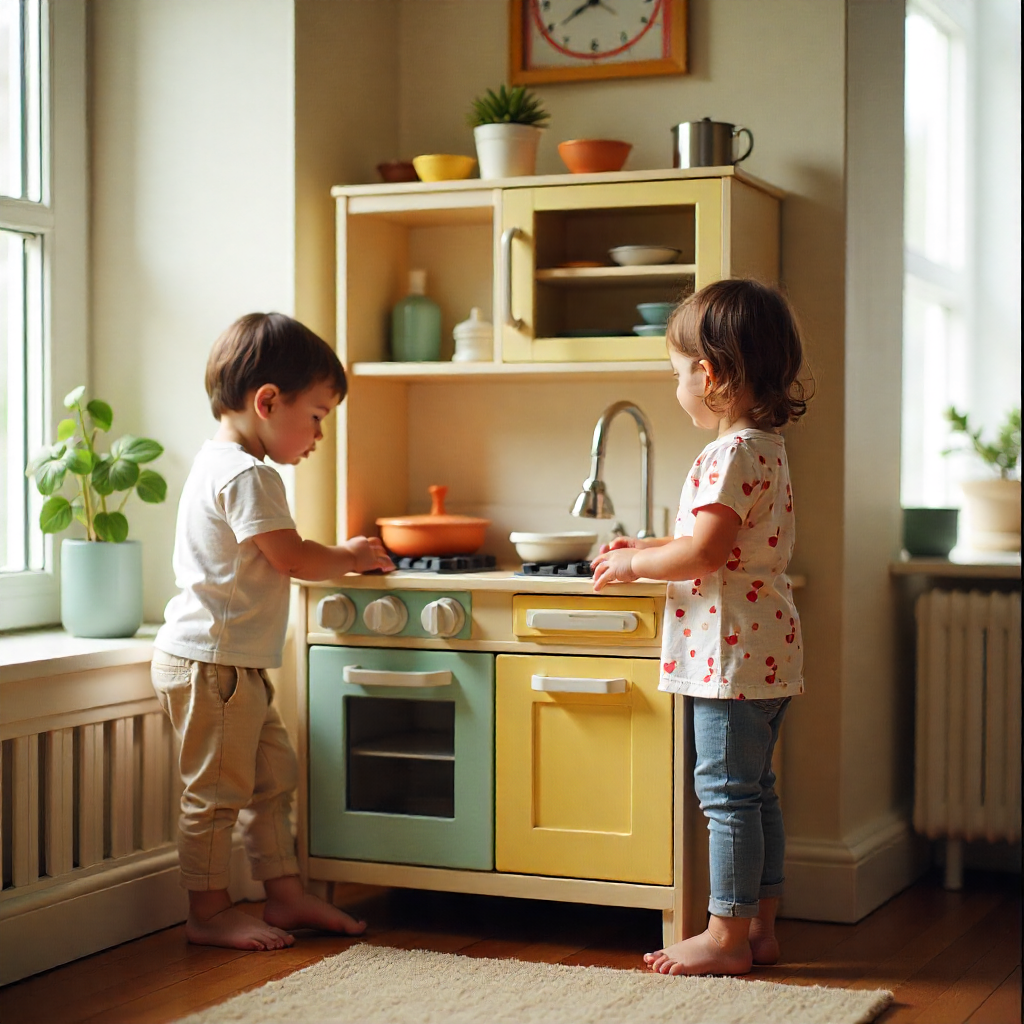
- Realistic Design: Miniature stoves, sinks, ovens, and cabinets mimic a real kitchen.
- Interactive Elements: Some models include lights, sounds, and moving knobs to enhance realism.
- Compact and Versatile: Perfect for both small and large play areas.
- Educational Accessories: Many kitchens come with utensils, pots, pans, and food items to expand imaginative play.
By combining these features, the Tiny Land Play Kitchen not only entertains but also nurtures essential life skills in a subtle and playful way.
Benefits for Children of Different Ages
- Toddlers (2–3 years): Helps with basic motor skills, color recognition, and imaginative scenarios.
- Preschoolers (3–5 years): Encourages social interaction, pretend cooking, and basic problem-solving.
- Early School Age (5–7 years): Enhances planning, organization, and creativity with more complex role-playing.
Why Parents Love Tiny Land Play Kitchen
Parents praise this play kitchen for being sturdy, safe, and educational. Unlike electronic gadgets that offer passive entertainment, this kitchen motivates active play. Kids are physically and mentally involved, learning practical skills without even realizing it. Additionally, it’s a perfect tool to reduce screen time while still keeping children engaged and happy.
Part 2: Setting Up Your Tiny Land Play Kitchen – Tips and Tricks
Once you’ve purchased the Tiny Land Play Kitchen, the next step is setting it up correctly to maximize fun, safety, and learning opportunities for your child. Proper setup ensures that children can play comfortably while parents maintain a safe and organized play area.
Choosing the Perfect Location
Selecting the right location is the first and most crucial step. Consider the following:
- Space Availability: Measure the area to make sure the Tiny Land Play Kitchen fits comfortably. There should be enough room for kids to move around and access all features.
- Safety First: Avoid placing the kitchen near stairs, sharp corners, or fragile items. Ensure the floor is even and free of obstacles to prevent accidents.
- Visibility: Place the kitchen in an area where you can supervise your child easily, such as a living room or playroom.
Unboxing and Initial Assembly
Most Tiny Land Play Kitchens come in parts, requiring some assembly. Follow these tips:
- Read Instructions Carefully: Each component should be identified before starting assembly.
- Organize Pieces: Lay out all parts and hardware to ensure nothing is missing.
- Use Proper Tools: Many kitchens come with the necessary tools, but having a screwdriver and small wrench handy can help.
- Enlist Help: Older children or another adult can assist, making assembly faster and safer.
Safety Checks During Assembly
- Tighten screws and bolts securely to avoid wobbling.
- Ensure small parts are kept away from toddlers until assembly is complete to prevent choking hazards.
- Check moving parts, like oven doors or knobs, for smooth operation.
Organizing Accessories and Play Items
Once assembled, it’s time to organize accessories for maximum play value:
- Cooking Utensils: Place pots, pans, and spatulas within easy reach.
- Pretend Food: Use bins or shelves to store play food, sorted by type (fruits, vegetables, baked goods).
- Cleaning Items: Incorporate small towels or pretend dish soap to encourage cleanliness and responsibility.
- Rotate Toys: Keep the play experience fresh by rotating accessories every few weeks.
Creating an Engaging Play Environment
To enhance imaginative play, consider these ideas:
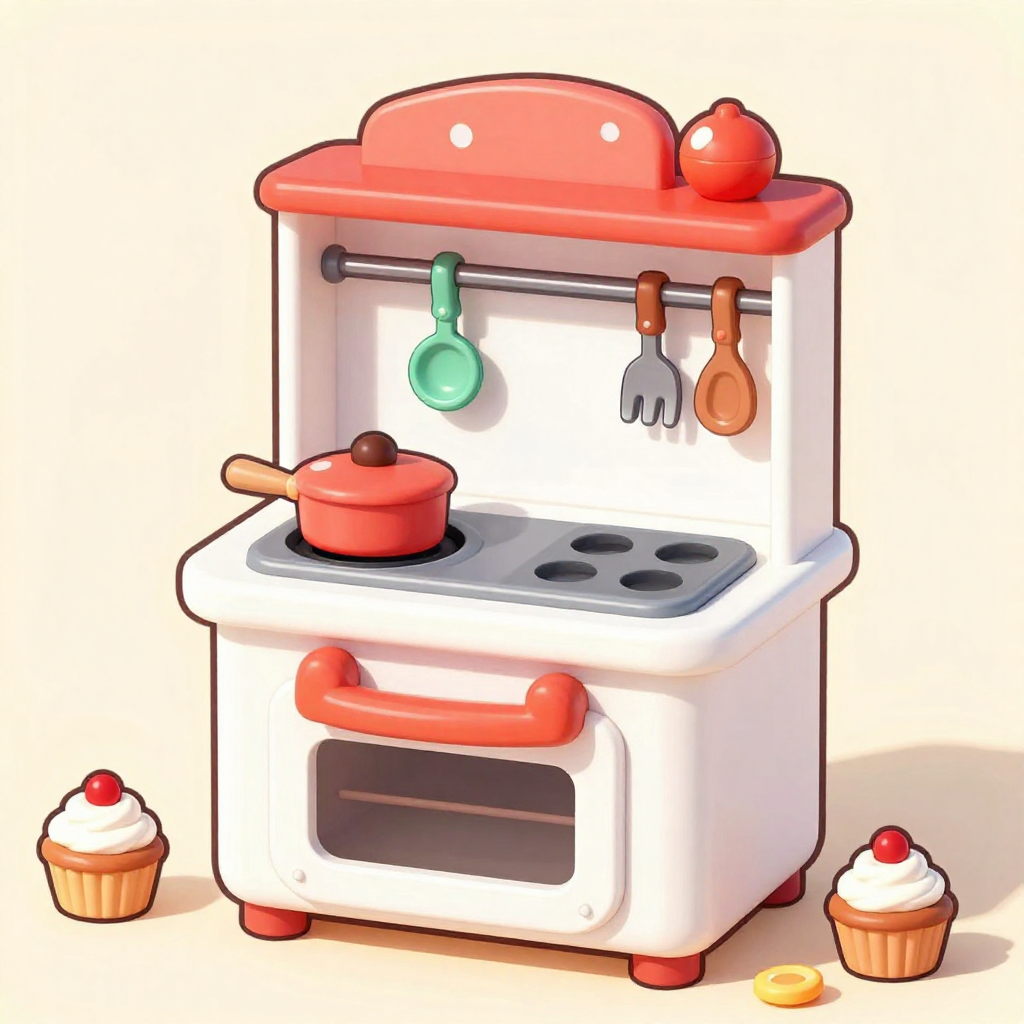
- Add a Play Mat: A colorful mat under the kitchen can define the play area and protect the floor.
- Decorate the Space: Hang child-friendly kitchen posters or place toy plants to make it feel like a real kitchen.
- Incorporate Role-Play: Include aprons, chef hats, and recipe cards to make playtime more immersive.
Tips for Long-Term Maintenance
Proper care keeps the Tiny Land Play Kitchen looking new and safe:
- Clean Regularly: Wipe surfaces with a damp cloth to remove dust and spills.
- Check for Wear: Periodically inspect knobs, doors, and accessories for damage.
- Store Accessories Safely: Keep small items in containers to avoid loss and prevent choking hazards.
Part 3: Essential Accessories for Tiny Land Play Kitchen – Must-Haves for Maximum Fun
The Tiny Land Play Kitchen is already an exciting toy on its own, but adding the right accessories can transform it into a full-fledged imaginative play environment. Accessories not only enhance fun but also promote learning, creativity, and social skills.
Why Accessories Matter
While the play kitchen provides the structure, accessories provide the story. Here’s why they are essential:
- Enhanced Role-Playing: Utensils, pretend food, and appliances make play more realistic, encouraging children to immerse themselves in imaginative scenarios.
- Skill Development: Accessories like measuring cups, pots, and pans teach basic math, motor skills, and hand-eye coordination.
- Variety and Engagement: Rotating accessories keeps children interested and sparks new creative ideas.
Top Accessories for Tiny Land Play Kitchen
1. Cooking Utensils
Basic utensils such as spatulas, spoons, ladles, and tongs are essential. They allow children to mimic real cooking activities like stirring, flipping, and serving. Choose utensils made of child-safe materials like wood or BPA-free plastic.
2. Pretend Food Items
- Fruits and Vegetables: Colorful sets help with color recognition and naming foods.
- Baked Goods: Pretend bread, cupcakes, and pastries encourage bakery-themed role-play.
- Packaged Items: Toy milk cartons, juice boxes, and cans introduce children to grocery shopping concepts.
3. Mini Appliances
Some Tiny Land Play Kitchen models include electronic features or offer compatible accessories:
- Mini Toaster or Oven: Adds realism and teaches children to follow “cooking” steps.
- Blender or Coffee Maker (Toy Version): Encourages imaginative scenarios like making smoothies or coffee for guests.
4. Dishes, Cups, and Bowls
These essential items allow children to serve pretend meals, enhancing social play. Stackable dishes also teach organization and tidiness.
5. Cleaning Supplies
- Mini Towels and Sponges: Teach responsibility and hygiene during play.
- Toy Soap Bottles: Encourage handwashing and cleanliness habits.
Optional Accessories for Advanced Play
For children who want a more immersive experience, consider these additional accessories:
- Aprons and Chef Hats: Make role-playing feel authentic.
- Recipe Cards: Introduce creativity and basic reading skills.
- Shopping Carts or Grocery Bags: Expand the play experience to include shopping and meal planning.
Tips for Organizing Accessories
- Use small bins or shelves to store accessories neatly.
- Rotate items regularly to keep the play experience fresh.
- Label containers with pictures or words to encourage literacy and organization skills.
Educational Benefits of Accessories
Accessories enhance learning in multiple ways:
- Math Skills: Measuring cups and spoons teach basic fractions and counting.
- Language Skills: Pretend menus and recipes improve vocabulary and storytelling.
- Social Skills: Sharing utensils and food items promotes teamwork and negotiation.
- Creativity: Combining different foods, cooking techniques, and role-play scenarios fosters imagination.
Part 4: Imaginative Play Ideas with Tiny Land Play Kitchen – Fun Scenarios for Children
One of the greatest strengths of the Tiny Land Play Kitchen is its ability to inspire imagination. Beyond cooking, it serves as a stage for endless role-playing scenarios that nurture creativity, problem-solving, and social skills.
Why Imaginative Play is Important
Imaginative play is not just entertainment—it is critical for child development:
- Cognitive Growth: Children learn cause-and-effect relationships while pretending to cook, clean, or organize.
- Emotional Development: Role-playing allows kids to express feelings, understand perspectives, and practice empathy.
- Language Skills: Dialogue during play improves vocabulary, sentence structure, and storytelling abilities.
- Problem-Solving: Managing kitchen tasks, preparing meals, or handling “customers” teaches decision-making and planning.
Fun Play Scenarios for Tiny Land Play Kitchen
Here are some creative scenarios that make the Tiny Land Play Kitchen endlessly engaging:
1. Mini Restaurant or Café
- Set up tables, menus, and pretend money.
- One child acts as the chef, another as the cashier, and others as customers.
- Teach basic math with “billing” and money exchange while fostering teamwork.
2. Baking Day
- Pretend to bake cupcakes, cakes, or bread.
- Use recipe cards for step-by-step “instruction.”
- Encourage measuring, counting, and creativity in decorating baked goods.
3. Grocery Shopping Adventure
- Use toy shopping carts or baskets.
- Sort foods into categories: fruits, vegetables, grains, and dairy.
- Teach healthy eating habits and categorization skills.
4. Family Dinner Role-Play
- Children can assign roles like parent, chef, and server.
- Practice table manners, sharing, and conversation skills.
- Combine with story-based scenarios for additional fun.
5. Cooking Show
- Pretend to film a cooking show with a toy camera or smartphone.
- Children narrate recipes and explain their cooking process.
- Develops confidence, public speaking, and creativity.
Seasonal and Holiday-Themed Play
Tiny Land Play Kitchen can adapt to holidays and seasons:
- Halloween: Pretend to make pumpkin pies and spooky snacks.
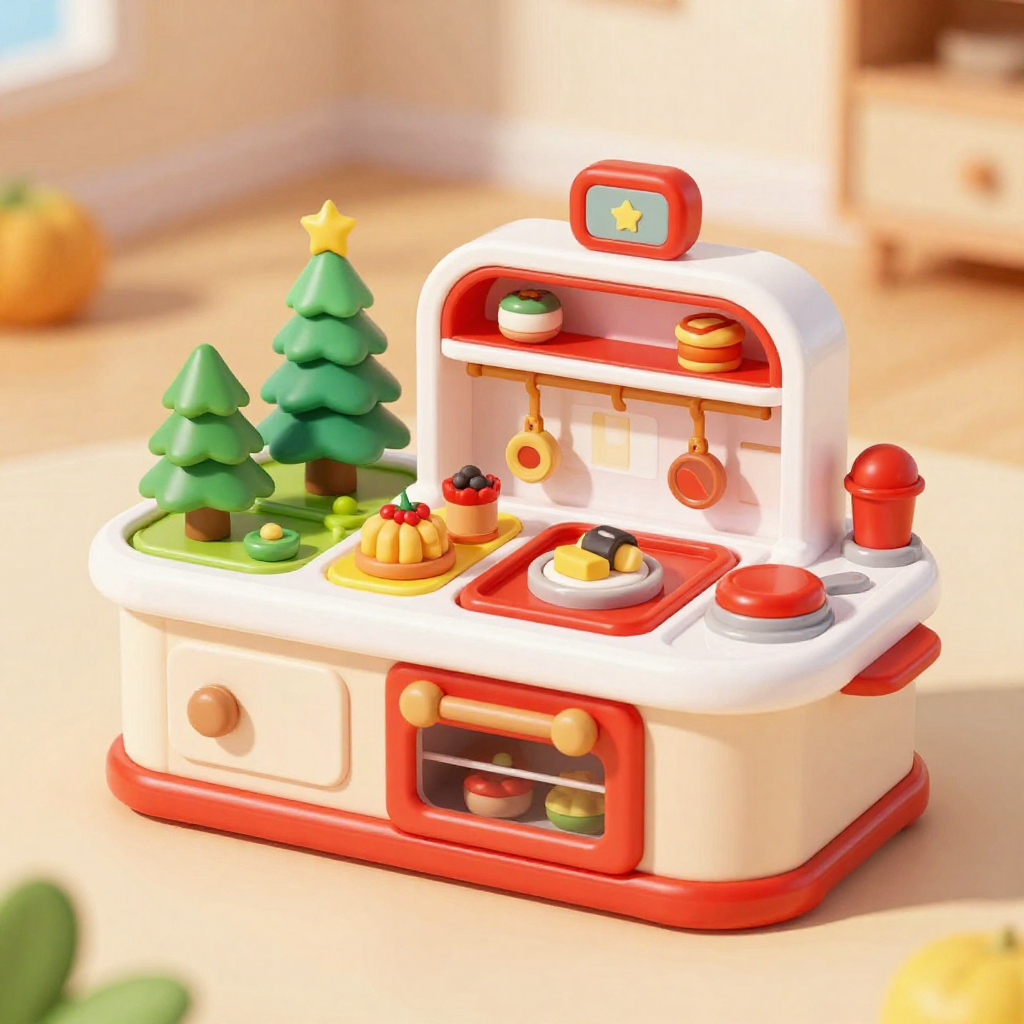
- Christmas: Prepare festive meals and decorate “holiday desserts.”
- Summer Picnic: Set up pretend outdoor kitchen scenarios and picnic snacks.
These seasonal activities keep play exciting and encourage children to connect with real-life events.
Tips for Encouraging Creativity
- Rotate Themes: Introduce new scenarios weekly to maintain interest.
- Use Props: Add stuffed animals, dolls, or action figures as guests.
- Encourage Storytelling: Ask children to narrate their cooking adventures.
- Involve Multiple Children: Collaborative play enhances social skills and problem-solving.
Part 5: Educational Benefits of Tiny Land Play Kitchen – How It Boosts Learning and Development
While the Tiny Land Play Kitchen is designed for fun and imaginative play, it also provides numerous educational benefits. Parents and educators recognize it as a tool that supports early childhood development in ways that go beyond conventional toys.
Cognitive Development
Playing with the Tiny Land Play Kitchen encourages problem-solving, critical thinking, and planning skills:
- Sequencing Skills: Children learn the steps involved in cooking, such as washing vegetables, preparing ingredients, cooking, and serving.
- Cause and Effect: Interacting with knobs, pretend stovetops, and appliances helps children understand how actions lead to outcomes.
- Memory Enhancement: Remembering recipes, arranging utensils, and managing food items strengthen memory and concentration.
Language and Communication Skills
Tiny Land Play Kitchen is a powerful tool for language development:
- Vocabulary Building: Children learn the names of foods, utensils, and kitchen appliances.
- Storytelling: Creating scenarios like restaurants or cooking shows encourages dialogue and narrative skills.
- Social Interaction: Group play teaches turn-taking, listening, and expressing ideas clearly.
Mathematical and Logical Skills
Even simple cooking simulations introduce children to math concepts:
- Counting and Sorting: Arranging dishes, utensils, or food items helps with numbers and categorization.
- Measuring: Using measuring cups and spoons introduces basic concepts of volume and fractions.
- Time Management: Following recipe steps teaches planning and sequencing in a fun context.
Fine Motor Skills
Handling small kitchen tools, turning knobs, and opening oven doors helps develop hand-eye coordination and dexterity:
- Manipulating Utensils: Stirring, flipping, and pouring improve precision and motor control.
- Grasping Small Items: Picking up toy vegetables or cups strengthens finger muscles.
- Coordination: Moving between different tasks, like cooking and serving, enhances multi-step coordination skills.
Creativity and Imagination
The Tiny Land Play Kitchen is a platform for creative expression:
- Role-Playing: Children invent stories and assume roles like chef, parent, or customer.
- Innovative Thinking: Combining ingredients in unique ways encourages experimentation.
- Artistic Skills: Decorating pretend cakes or arranging meals fosters visual and aesthetic skills.
Social and Emotional Development
Playing with others teaches children important interpersonal skills:
- Teamwork: Children collaborate on cooking or restaurant scenarios.
- Empathy: Taking care of “guests” or serving dolls and friends helps understand others’ needs.
- Confidence: Successfully preparing a “meal” boosts self-esteem and pride in accomplishments.
Screen-Free Learning
In today’s digital world, children are often glued to screens. Tiny Land Play Kitchen offers screen-free engagement, allowing children to develop essential life skills through hands-on play while reducing sedentary time.
Part 6: Maintenance, Safety, and Longevity Tips for Tiny Land Play Kitchen
A well-maintained Tiny Land Play Kitchen can provide years of fun, learning, and imaginative play. To ensure safety, durability, and a clean environment, it’s essential to follow proper maintenance and safety guidelines.
Daily and Weekly Maintenance
Regular care keeps your play kitchen safe and enjoyable:
- Surface Cleaning: Wipe down all surfaces with a damp cloth. For stubborn stains, use mild soap and water. Avoid harsh chemicals that may damage paint or finish.
- Check Accessories: Inspect utensils, plates, and food items for damage. Replace any broken or worn-out pieces promptly.
- Floor Protection: Ensure the kitchen is placed on a clean, flat surface. Consider using a play mat to protect both the floor and the kitchen base.
Monthly Deep Cleaning
For long-term hygiene and durability:
- Remove all removable parts like knobs, doors, and shelves.
- Clean thoroughly with mild soap and water.
- Dry completely to prevent mold or mildew.
- Reassemble securely, checking that all screws and bolts are tight.
Safety Tips for Tiny Land Play Kitchen
Safety is a top priority, especially for younger children:
- Age-Appropriate Use: Follow the manufacturer’s recommended age range. Most Tiny Land Play Kitchens are suitable for ages 2 and up.
- Avoid Sharp Objects: Only use the included toy utensils. Do not allow real knives or hazardous items near the kitchen.
- Secure Assembly: Ensure the kitchen is stable and all parts are properly fastened. Wobbly kitchens can pose tipping hazards.
- Supervision: While the kitchen is safe, active supervision is recommended, especially with toddlers.
Tips for Longevity
To ensure your Tiny Land Play Kitchen lasts for years:
- Rotate Accessories: Regularly rotate toys and pretend food to prevent wear and tear.
- Store Wisely: Keep small accessories in containers to prevent loss and avoid choking hazards.
- Avoid Excessive Moisture: Do not allow water to pool on countertops or sinks; use only for pretend play.
- Gentle Play: Encourage children to use knobs, doors, and drawers gently to prevent breakage.
Repair and Replacement
Even with careful use, minor repairs may be needed:
- Loose Screws or Hinges: Tighten immediately to prevent accidents.
- Broken Accessories: Replace broken utensils or food items to maintain safety and fun.
- Paint Touch-Ups: Some kitchens may require minor paint touch-ups over time. Use non-toxic paint suitable for children’s toys.
Storage Tips for Long-Term Care
When not in use:
- Cover the kitchen with a dust cloth to keep it clean.
- Store accessories in labeled bins to stay organized.
- Avoid placing heavy items on top to prevent warping or damage.
Part 7: Comparing Tiny Land Play Kitchen with Other Play Kitchens – Why It Stands Out
With so many play kitchens on the market, parents often wonder which one is worth the investment. The Tiny Land Play Kitchen distinguishes itself in terms of quality, design, educational value, and durability.
1. Quality of Materials
Many play kitchens are made with thin plastic that can break easily. Tiny Land Play Kitchen uses high-quality, child-safe materials such as durable wood or premium BPA-free plastic, making it more robust and long-lasting.
- Durability: Resistant to daily wear and tear from active play.
- Safety: Non-toxic paints and smooth edges protect children from injuries.
- Realistic Feel: Materials mimic real kitchen surfaces, adding to the immersive experience.
2. Realistic Design and Features
Tiny Land Play Kitchen includes detailed features that rival real kitchens:
- Functional knobs, oven doors, and faucets
- Shelves and storage areas for utensils and pretend food
- Optional lights or sounds in some models
Other play kitchens may lack these features or include them in a less durable format, reducing the realism of play.
3. Educational Value
While all play kitchens encourage imaginative play, Tiny Land Play Kitchen is designed to maximize learning outcomes:
- Encourages problem-solving, sequencing, and role-playing
- Supports early math and language skills through measuring and storytelling
- Promotes social and emotional development through group play
Other kitchens may provide fun but often miss these integrated educational benefits.
4. Variety of Accessories
Tiny Land Play Kitchen offers a wide range of accessories, from utensils and dishes to pretend food and mini appliances.
- Accessories are durable and child-safe
- Encourage varied imaginative play scenarios
- Can be rotated to keep play fresh and engaging
Competitor kitchens may include fewer accessories, which can limit play creativity and reduce long-term engagement.
5. Size and Space Efficiency
Unlike bulky alternatives, Tiny Land Play Kitchen is compact yet functional, making it suitable for:
- Small playrooms or apartments
- Easy storage and mobility
- Flexible placement without sacrificing play features
6. Parent-Friendly Features
Tiny Land Play Kitchen is designed with parents in mind:
- Easy to assemble with clear instructions
- Simple maintenance for long-term use
- Durable construction reduces the need for frequent replacements
Other models may be harder to assemble or require constant maintenance, making them less convenient for busy households.
7. Positive Reviews and Customer Satisfaction
Many parents report that Tiny Land Play Kitchen offers excellent value for money due to its combination of durability, realistic features, and educational benefits. The feedback often highlights:
- Children’s love for imaginative play
- Encouragement of independent and group activities
- Longevity and resilience even with active use
Part 8: Tips for Maximizing Fun with Tiny Land Play Kitchen and Final Thoughts
The Tiny Land Play Kitchen is more than just a toy—it is a world of imagination, creativity, and learning. To make the most of this amazing play experience, parents and caregivers can follow simple tips to enhance fun, learning, and engagement.
1. Encourage Daily Role-Play
Regular use strengthens skills and keeps children engaged:
- Dedicate specific playtimes each day for kitchen activities.
- Let children take the lead in planning meals, setting the table, or serving “customers.”
- Rotate roles between chef, server, and customer to encourage empathy and teamwork.
2. Integrate Learning Opportunities
Tiny Land Play Kitchen can be used to reinforce educational concepts:
- Math Skills: Use measuring cups, count food items, and manage pretend money for restaurant play.
- Language Skills: Introduce new vocabulary, ask children to narrate recipes, or write “menus.”
- Science Skills: Discuss how heat cooks food or why ingredients combine to make new dishes.
3. Include Friends and Family
Group play encourages social development:
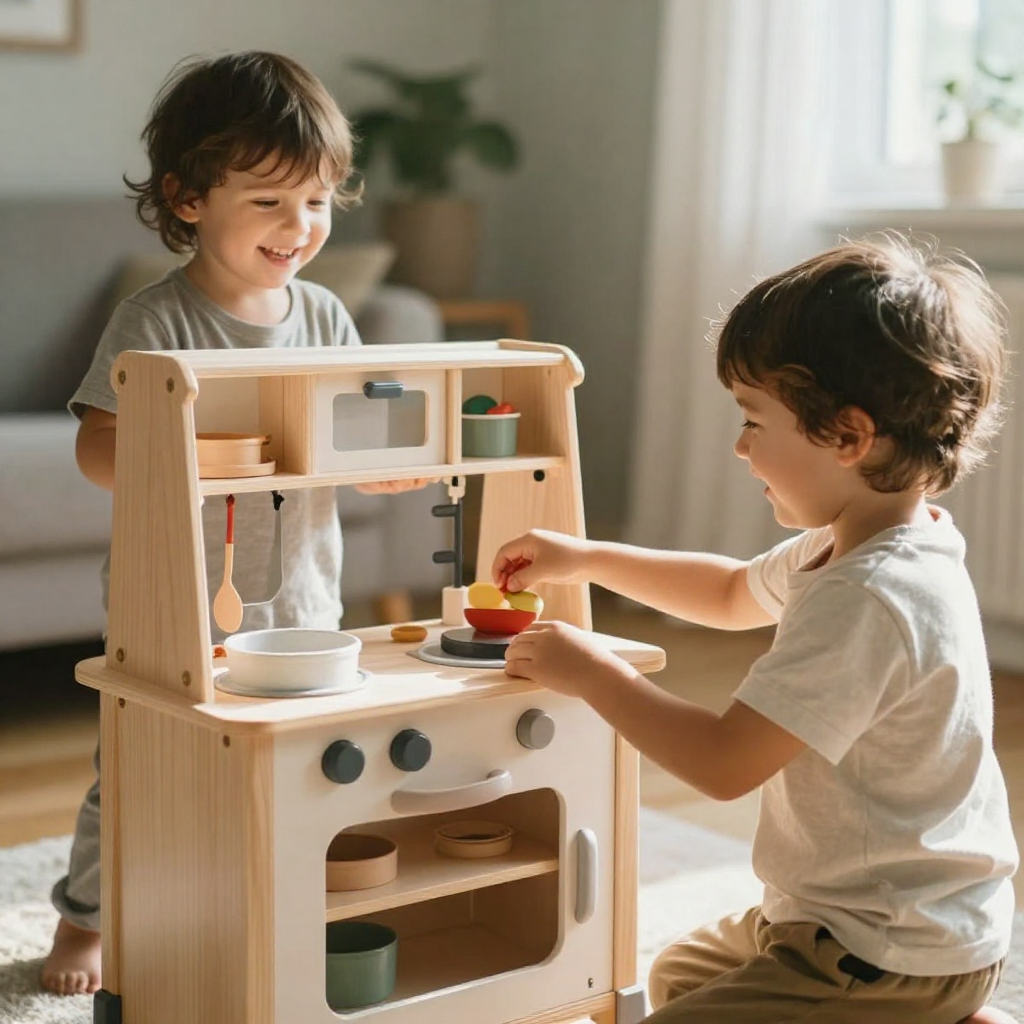
- Invite siblings or friends to join imaginative scenarios.
- Practice sharing, turn-taking, and problem-solving together.
- Include stuffed animals or dolls as “guests” for solo play when others are unavailable.
4. Get Creative with Themes
Variety keeps play exciting:
- Restaurant Theme: Pretend to run a café or bakery.
- Holiday Theme: Decorate and prepare seasonal meals.
- Cooking Show: Record pretend shows or have children present recipes to family members.
5. Rotate Accessories
- Keep play fresh by changing utensils, food items, and props every few weeks.
- Introduce new challenges, like preparing a “three-course meal” or organizing a mini buffet.
6. Teach Responsibility
- Encourage children to clean up after playtime, wash pretend dishes, and organize accessories.
- Reinforces responsibility and good habits in a fun, engaging way.
7. Capture Memories
- Take photos or videos of imaginative play sessions.
- Encourage children to document their recipes or create storyboards.
- Creates lasting memories and encourages pride in their creations.
Conclusion: Why Tiny Land Play Kitchen is the Perfect Investment for Children
- The Tiny Land Play Kitchen is more than just a toy—it is a dynamic learning and imaginative play tool that grows with your child. Across every part of this guide, we’ve explored how it nurtures creativity, cognitive skills, social development, and responsibility while providing endless fun.
- From setup and organization to accessories, play scenarios, and maintenance, the Tiny Land Play Kitchen offers a holistic experience that balances education and entertainment. Its realistic design, durable construction, and variety of interactive features set it apart from other play kitchens on the market.
- Children can engage in imaginative scenarios like running a restaurant, hosting a baking day, or conducting a cooking show, while simultaneously developing fine motor skills, language, math, and social abilities. The inclusion of safe, high-quality accessories enhances these benefits and keeps playtime fresh and exciting.
- Parents also benefit from the Tiny Land Play Kitchen’s easy assembly, low maintenance, and safety features, making it a worry-free investment that promotes screen-free, hands-on learning. With proper care, this play kitchen can provide years of enjoyment, making it a long-term, valuable addition to any child’s playroom.
- Ultimately, the Tiny Land Play Kitchen is not just a toy—it is an educational, interactive, and creative platform that encourages children to explore, imagine, and learn while having fun. It is the perfect choice for parents who want to give their children a safe, engaging, and developmentally enriching play experience.