

Part 1: What Is Sleep Hacking and Why It Matters in the Modern World
Sleep Hacking is a science-based approach to optimizing sleep quality, duration, timing, and recovery so the body and brain can perform at their highest potential. Unlike traditional sleep advice that focuses only on “getting enough hours,” Sleep Hacking dives deeper into how sleep works, why it gets disrupted, and how small, strategic changes can produce massive improvements in energy, focus, and overall health.
In today’s hyper-connected world, sleep has become one of the most neglected pillars of wellness. Artificial lighting, constant notifications, late-night screen exposure, caffeine consumption, stress, and irregular schedules have silently disrupted the natural sleep rhythms humans relied on for thousands of years. Sleep Hacking exists as a solution to this modern crisis—helping individuals reclaim restorative sleep without relying on medication.
The Evolution of Sleep Hacking
The concept of sleep optimization did not appear overnight. It evolved from decades of research in neuroscience, chronobiology, psychology, and human performance. Scientists began to uncover how sleep directly impacts memory consolidation, hormone regulation, immune function, emotional balance, and physical recovery. At the same time, wearable technology made it possible to track sleep data in real time, bringing sleep optimization into everyday life.
Sleep Hacking combines this scientific knowledge with practical, real-world strategies. Instead of following generic rules, individuals learn how to customize their sleep routines based on their biology, lifestyle, and goals.
Why Sleep Hacking Is More Important Than Ever
Modern society rewards productivity, long working hours, and constant availability. Unfortunately, these habits come at the expense of sleep. Studies consistently show that chronic sleep deprivation is linked to obesity, diabetes, heart disease, anxiety, depression, weakened immunity, and reduced cognitive performance.
Sleep Hacking matters because it addresses the root causes of poor sleep rather than masking the symptoms. Instead of forcing the body to stay awake with stimulants or sedating it with sleeping pills, sleep optimization works with the body’s natural systems.
Key reasons Sleep Hacking has become essential include:
- Increased screen exposure and blue light disruption
- High levels of stress and mental overload
- Irregular sleep schedules due to work and social demands
- Overuse of caffeine and energy drinks
- Reduced exposure to natural sunlight
By understanding and optimizing these factors, Sleep Hacking restores balance to the sleep-wake cycle.
What “Hacking” Really Means in Sleep Hacking
The word “hacking” often creates confusion. In the context of Sleep Hacking, it does not mean cheating the body or bypassing biological needs. Instead, it means using deep understanding to make smart, efficient improvements.
Sleep Hacking focuses on leverage points—small changes that create disproportionately large benefits. For example:
- Adjusting light exposure by just 30 minutes can dramatically improve melatonin production
- Changing meal timing can reduce nighttime awakenings
- Improving bedroom temperature by a few degrees can increase deep sleep duration
These are not extreme interventions. They are intelligent optimizations grounded in biology.
The Core Principles of Sleep Hacking
At its foundation, sleep optimization is built on several key principles:
- Sleep Quality Over Sleep Quantity
Eight hours of poor sleep is not equal to six hours of high-quality sleep. Sleep Hacking prioritizes deep sleep and REM sleep. - Consistency Beats Perfection
Going to bed and waking up at consistent times trains the body’s internal clock more effectively than occasional “perfect nights.” - Environment Shapes Behavior
Light, noise, temperature, and comfort all influence how easily the body transitions into sleep. - Daytime Habits Control Nighttime Sleep
What you do during the day—sunlight exposure, movement, stress management—directly determines how well you sleep at night. - Personalization Is Essential
Sleep Hacking recognizes that there is no one-size-fits-all solution. Individual biology matters.
Who Can Benefit from Sleep Hacking?
Sleep Hacking is not only for people with insomnia. It benefits a wide range of individuals, including:
- Students seeking better memory and learning ability
- Professionals who need sustained focus and decision-making clarity
- Entrepreneurs managing high stress and long hours
- Athletes looking to improve recovery and performance
- Anyone who wakes up feeling tired despite sleeping enough hours
If you rely on caffeine to function, struggle with afternoon crashes, or feel mentally foggy, sleep optimization can dramatically change your daily experience.
Sleep Hacking vs Traditional Sleep Advice
Traditional sleep advice often stops at basic tips like “avoid caffeine at night” or “go to bed earlier.” While helpful, these suggestions lack context and personalization.
sleep optimization goes further by asking deeper questions:
- When does your body naturally want to sleep?
- How does artificial light affect your hormone production?
- How does stress earlier in the day impact nighttime sleep?
- Which sleep stage are you missing?
By answering these questions, Sleep Hacking creates a customized system rather than a generic checklist.
The Growing Popularity of Sleep Hacking
Search interest in sleep optimization has exploded in recent years as people recognize sleep as a performance tool rather than a passive activity. High achievers, biohackers, and health-conscious individuals increasingly view sleep as the foundation of productivity, creativity, and longevity.
Sleep Hacking has become a central topic in wellness blogs, podcasts, and scientific discussions because it delivers measurable results without extreme effort.
Part 2: The Science of Sleep Hacking – Sleep Cycles, Circadian Rhythm, and Hormones
To truly understand Sleep Hacking, you must first understand how sleep actually works. Sleep is not a single, passive state. It is a complex biological process governed by brain activity, hormones, light exposure, and internal timing systems. When these systems work together, sleep becomes restorative. When they are disrupted, even long hours in bed can leave you exhausted.
Sleep Hacking is effective because it aligns daily habits with the body’s natural sleep architecture instead of fighting against it.
How Sleep Is Structured: The Sleep Cycles
Sleep occurs in repeating cycles that last approximately 90 minutes. Each night, a healthy adult goes through four to six cycles. Each cycle consists of two main categories:
- Non-REM Sleep (NREM)
- REM Sleep (Rapid Eye Movement)
Sleep Hacking focuses on improving the balance and quality of both.
Non-REM Sleep: Physical Restoration
Non-REM sleep is divided into three stages:
Stage 1 (Light Sleep):
This is the transition between wakefulness and sleep. Muscle activity slows, and the brain begins to disengage from the external environment.
Stage 2 (Deeper Light Sleep):http://www.betterdailyguide.site/sleep-hacking#aff=Faaqe8
Heart rate and body temperature decrease. The brain produces sleep spindles that help with memory processing and learning.
Stage 3 (Deep Sleep):
Also known as slow-wave sleep, this stage is critical for physical recovery. Tissue repair, muscle growth, immune strengthening, and energy restoration occur here.
Sleep Hacking strategies often aim to increase deep sleep duration, as modern lifestyles significantly reduce it.
REM Sleep: Mental and Emotional Recovery
REM sleep is when dreaming occurs. The brain becomes highly active while the body remains temporarily paralyzed. This stage plays a major role in:
- Memory consolidation
- Emotional regulation
- Creativity and problem-solving
- Processing emotional experiences
During REM sleep, the brain reorganizes information collected during the day. sleep optimization ensures that REM sleep is protected by preventing late-night disruptions such as alcohol, stress, and screen exposure.
Why Sleep Cycles Matter in Sleep Hacking
Waking up in the middle of deep sleep causes grogginess, commonly known as sleep inertia. Sleep Hacking works to align wake-up times with the end of a sleep cycle, making mornings feel easier and more natural.
This is why some people feel refreshed after six hours but exhausted after eight—the quality and timing of sleep cycles matter more than total time.
The Circadian Rhythm: Your Internal Clock
The circadian rhythm is the body’s internal 24-hour clock that regulates sleep, wakefulness, hormones, body temperature, and metabolism. It is primarily controlled by light exposure.
Sunlight in the morning signals the brain to suppress melatonin and increase alertness. Darkness in the evening triggers melatonin release, preparing the body for sleep.
Sleep Hacking focuses heavily on circadian rhythm alignment because a misaligned clock leads to:
- Difficulty falling asleep
- Nighttime awakenings
- Morning fatigue
- Poor focus during the day
Key Hormones Involved in Sleep Hacking
Sleep is governed by a delicate hormonal balance. sleep optimization optimizes this balance instead of overriding it.
Melatonin – The Sleep Hormone
Melatonin signals the body that it is time to sleep. It is produced in response to darkness and suppressed by blue light.
Late-night screen use, bright indoor lighting, and irregular schedules reduce melatonin production—one of the main reasons people struggle to fall asleep.
Cortisol – The Stress and Wake Hormone
Cortisol follows a natural rhythm. It should be low at night and peak in the morning to help you wake up.
Chronic stress, late-night work, and poor sleep push cortisol higher at night, making sleep shallow and fragmented.
Adenosine – The Sleep Pressure Chemical
Adenosine builds up in the brain throughout the day, increasing sleepiness. Caffeine blocks adenosine receptors, temporarily reducing fatigue.
Sleep Hacking does not eliminate caffeine but uses it strategically so it does not interfere with nighttime sleep.
How Modern Life Disrupts Sleep Biology
Sleep Hacking exists because modern life actively works against natural sleep systems. Common disruptors include:
- Artificial light after sunset
- Inconsistent sleep schedules
- Late-night eating
- Excessive caffeine consumption
- Chronic psychological stress
These factors confuse the circadian rhythm and disrupt hormone release, leading to poor sleep quality even when time in bed is sufficient.
Sleep Debt and Recovery
Sleep debt accumulates when sleep quality or duration is consistently poor. While short-term sleep debt can be partially recovered, chronic sleep deprivation leads to long-term damage.
Sleep Hacking emphasizes preventing sleep debt rather than relying on weekend catch-up sleep, which often worsens circadian disruption.
Why Understanding Sleep Science Is Essential
Without understanding sleep cycles and hormones, most people try to fix sleep problems with surface-level solutions. sleep optimization takes a systems-based approach—identifying where the breakdown occurs and correcting it at the source.
This scientific foundation allows Sleep Hacking strategies to be precise, effective, and sustainable.
Part 3: Sleep Hacking and the Brain – Focus, Memory, and Peak Productivity
One of the most powerful reasons people turn to sleep optimization is its direct impact on brain performance. Sleep is not simply a period of rest for the mind; it is an active neurological process that determines how well you think, learn, remember, and make decisions. When sleep is optimized, the brain operates at peak efficiency. When sleep is compromised, even the most intelligent individuals struggle with focus, creativity, and emotional control.
Sleep Hacking treats sleep as a cognitive performance tool, not a luxury.
How Sleep Rebuilds the Brain
During sleep, the brain performs essential maintenance tasks that cannot occur while awake. Neurons communicate differently, waste products are removed, and neural connections are strengthened or weakened based on their importance.
One of the most important discoveries in sleep science is the glymphatic system, a waste-clearing mechanism that becomes highly active during deep sleep. This system flushes out toxins, including beta-amyloid proteins linked to neurodegenerative diseases.
Sleep Hacking strategies aim to maximize deep sleep to support this nightly brain “cleaning” process.
Sleep Hacking and Focus
Focus depends on the brain’s ability to sustain attention while filtering distractions. Sleep deprivation directly reduces activity in the prefrontal cortex—the area responsible for concentration, impulse control, and decision-making.
When sleep is optimized through Sleep Hacking:
- Attention span increases
- Reaction times improve
- Mental fatigue is reduced
- Multitasking becomes easier
Poor sleep, on the other hand, creates a state similar to mild intoxication. Many people attempt to compensate with caffeine, but stimulants do not restore cognitive precision—they only mask fatigue.
Sleep Hacking eliminates the need for constant stimulation by restoring natural alertness.
Memory Formation and Consolidation
Memory does not form instantly. Information learned during the day is stored temporarily and then consolidated during sleep. Different sleep stages play different roles:
- Deep sleep strengthens factual and procedural memories
- REM sleep integrates emotional memories and creativity
Sleep Hacking ensures both stages are protected so learning becomes faster and more durable.
This is why students who practice sleep optimization often notice improved exam performance without increasing study hours.
Creativity and Problem-Solving
Creativity is not just inspiration—it is the brain’s ability to connect unrelated ideas. REM sleep enhances this ability by allowing neural networks to communicate more freely.
Sleep Hacking increases creative output by:
- Preventing REM sleep suppression caused by alcohol or late-night screen use
- Supporting consistent sleep schedules
- Reducing stress-related awakenings
Many scientific breakthroughs and creative ideas have been linked to high-quality sleep rather than long working hours.
Decision-Making and Emotional Control
Sleep-deprived brains overreact to negative stimuli and struggle to regulate emotions. The amygdala becomes hyperactive while the prefrontal cortex loses control.
Sleep Hacking restores emotional balance by:
- Lowering baseline stress levels
- Improving impulse control
- Enhancing emotional resilience
This is particularly valuable for leaders, entrepreneurs, and professionals working under pressure.
Sleep Hacking vs Hustle Culture
Modern hustle culture glorifies sleep deprivation as a badge of honor. However, research consistently shows that sleep-deprived individuals overestimate their performance while objectively performing worse.
Sleep Hacking challenges this mindset by proving that:
- Well-rested brains make fewer mistakes
- Productivity increases with fewer working hours
- Creativity improves when sleep is prioritized
High performance is not about working longer—it’s about working smarter.
The Role of Naps in Sleep Hacking
Strategic napping is a powerful sleep optimization tool when used correctly. Short naps (20–30 minutes) improve alertness without causing sleep inertia.
Long naps that enter deep sleep, however, can disrupt nighttime rest. Sleep Hacking uses naps selectively, based on individual sleep debt and schedule demands.
Mental Fatigue vs Physical Fatigue
Mental fatigue often feels like lack of motivation, procrastination, or brain fog. sleep optimization addresses mental fatigue at its root rather than treating symptoms.
Optimized sleep improves:
- Motivation
- Mental clarity
- Learning speed
- Stress tolerance
This creates a positive feedback loop—better sleep leads to better days, which in turn lead to better nights.
Sleep Hacking for Knowledge Workers
For writers, programmers, designers, analysts, and students, sleep is a competitive advantage. Sleep Hacking enhances:
- Logical reasoning
- Pattern recognition
- Verbal fluency
- Working memory
Many top performers attribute their success to disciplined sleep routines rather than excessive working hours.
Why Brain Optimization Comes First
Physical performance, emotional health, and productivity all depend on brain function. Sleep Hacking prioritizes the brain because cognitive clarity amplifies every other area of life.
Once the brain is well-rested, other optimizations become easier and more effective.
Part 4: Light, Screens, and Technology – How to Protect Your Sleep in a Digital World
Light is the most powerful external factor influencing sleep. Long before alarm clocks and smartphones existed, the rising and setting of the sun controlled when humans woke up and went to sleep. In the modern world, artificial lighting and digital screens have overridden this natural system, creating widespread sleep disruption. sleep optimization places heavy emphasis on controlling light exposure because even small changes can dramatically improve sleep quality.
Why Light Controls Sleep More Than Anything Else
The brain uses light as its primary signal to regulate the circadian rhythm. Specialized cells in the retina send light information directly to the brain’s master clock, known as the suprachiasmatic nucleus (SCN).
When light is detected:
- Melatonin production is suppressed
- Alertness increases
- The body shifts toward wake mode
When darkness is detected:
- Melatonin is released
- Body temperature drops
- The brain prepares for sleep
Sleep Hacking works by restoring the natural contrast between bright days and dark nights.
Blue Light and Its Impact on Sleep Hacking
Not all light affects sleep equally. Blue light, which is heavily emitted by smartphones, laptops, tablets, and LED lights, is especially disruptive.
Blue light:
- Strongly suppresses melatonin
- Delays sleep onset
- Reduces deep and REM sleep
- Increases nighttime alertness
From a Sleep Hacking perspective, blue light exposure after sunset is one of the biggest threats to high-quality sleep.
Screens, Dopamine, and Mental Stimulation
Technology affects sleep in two ways: light exposure and mental stimulation. Social media, videos, emails, and messages activate the brain’s dopamine system, increasing alertness and emotional arousal.
Even if brightness is reduced, mental engagement can keep the brain in “wake mode.” sleep optimization addresses both the biological and psychological effects of screen use.
Evening Screen Management Strategies
Sleep Hacking does not require eliminating technology—it requires using it intelligently.
Effective strategies include:
- Avoiding screens 60–90 minutes before bed
- Using night mode or blue-light filters after sunset
- Lowering screen brightness manually
- Switching to warm, amber lighting in the evening
These changes signal the brain that nighttime has arrived.
Morning Light: The Most Powerful Sleep Hack
Morning sunlight is one of the most underrated sleep optimization tools. Exposure to natural light within the first hour of waking resets the circadian rhythm and improves nighttime sleep.
Benefits of morning light include:
- Earlier melatonin release at night
- Improved daytime alertness
- Reduced sleep latency
- Stronger sleep-wake consistency
Sleep Hacking encourages outdoor light exposure rather than relying solely on indoor lighting.
Artificial Lighting and the Modern Home
Most homes are designed for convenience, not sleep optimization. Overhead LED lights emit strong blue light well into the evening.
Sleep Hacking recommends:
- Dimming lights after sunset
- Using lamps instead of ceiling lights
- Choosing warm-colored bulbs (2700K or lower)
- Avoiding bright bathroom lights at night
These adjustments help preserve natural melatonin production.
Technology as a Sleep Hacking Tool
While technology can disrupt sleep, it can also enhance it when used correctly.
Examples include:
- Blue-light–blocking glasses
- Smart lighting systems that adjust color temperature
- Sleep-tracking devices that identify disruptions
- Alarm clocks that simulate sunrise
Sleep Hacking focuses on using technology intentionally, not passively.
Late-Night Notifications and Sleep Fragmentation
Notifications cause micro-awakenings even if you do not fully wake up. Each alert disrupts sleep cycles and reduces recovery.
Sleep Hacking solutions include:
- Enabling Do Not Disturb mode
- Keeping the phone outside the bedroom
- Using analog alarm clocks
- Disabling vibration alerts
Reducing nighttime interruptions significantly improves sleep continuity.
Television and Sleep Quality
Many people fall asleep with the television on, believing it helps them relax. In reality, TVs emit light and sound that fragment sleep.
Sleep Hacking replaces passive screen exposure with:
- Audio-only content
- White noise or nature sounds
- Silence or controlled sound environments
This reduces sensory stimulation during sleep.
Digital Curfews and Behavioral Design
Sleep Hacking uses behavioral design to reduce decision fatigue. A digital curfew creates a clear boundary between day and night.
Examples:
- Charging devices outside the bedroom
- Scheduling automatic screen shutdowns
- Creating a consistent bedtime routine
These systems remove reliance on willpower.
The Long-Term Impact of Light Control
When light exposure is optimized consistently, Sleep Hacking produces lasting changes:
- Faster sleep onset
- Deeper sleep cycles
- Improved mood and focus
- Reduced reliance on caffeine
Light control is one of the fastest and most effective sleep improvements available.
Part 5: Food, Caffeine, and Supplements – Fueling Sleep the Smart Way
What you eat and drink has a direct and powerful impact on how well you sleep. Many sleep problems are not caused by the bedroom or the mattress, but by nutrition timing, blood sugar instability, and stimulant misuse. sleep optimization approaches food as fuel for sleep rather than an enemy of rest.
Instead of extreme diets or rigid rules, Sleep Hacking focuses on understanding how nutrients, caffeine, and supplements interact with sleep biology.
The Connection Between Food and Sleep
Sleep and metabolism are deeply interconnected. Hormones that regulate hunger, fullness, and energy follow circadian rhythms. When eating patterns are misaligned with sleep timing, the body struggles to relax at night.
Late-night eating can:
- Increase core body temperature
- Disrupt melatonin release
- Cause blood sugar spikes and crashes
- Trigger nighttime awakenings
Sleep Hacking emphasizes meal timing as much as meal content.
Best Meal Timing for Sleep Hacking
The body prefers predictability. Eating meals at consistent times helps regulate both digestion and sleep.
General Sleep Hacking guidelines include:
- Finishing the last large meal 2–3 hours before bed
- Avoiding heavy, greasy foods at night
- Allowing digestion to slow before sleep
Light snacks can be useful, but they must be chosen carefully.
Blood Sugar Stability and Nighttime Sleep
Blood sugar crashes during the night can trigger cortisol release, causing sudden awakenings.
Sleep Hacking reduces this risk by:
- Including protein and healthy fats at dinner
- Avoiding refined sugars at night
- Preventing extreme calorie restriction
Stable blood sugar supports uninterrupted sleep.
Foods That Support Sleep Hacking
Certain foods naturally promote relaxation and sleep by supporting neurotransmitter and hormone production.
Sleep-friendly foods include:
- Complex carbohydrates (oats, quinoa, brown rice)
- Magnesium-rich foods (leafy greens, nuts, seeds)
- Tryptophan-containing foods (turkey, eggs, yogurt)
- Potassium-rich foods (bananas, sweet potatoes)
These nutrients support melatonin and serotonin pathways.

Foods That Disrupt Sleep
Some foods work against Sleep Hacking goals, especially when consumed late.
Common sleep disruptors:
- Sugary desserts
- Highly processed foods
- Spicy meals close to bedtime
- Excessive alcohol
Sleep Hacking does not ban these foods entirely—it manages timing and quantity.
Caffeine: The Most Misused Sleep Disruptor
Caffeine blocks adenosine, the chemical that creates sleep pressure. While useful for alertness, caffeine can stay in the system for 6–10 hours.
Sleep Hacking strategies for caffeine include:
- Consuming caffeine earlier in the day
- Avoiding caffeine after early afternoon
- Reducing total daily intake
- Replacing late caffeine with hydration or movement
Many people improve sleep dramatically simply by adjusting caffeine timing.
Hidden Sources of Caffeine
Sleep Hacking requires awareness of hidden stimulants.
Common sources include:
- Green and black tea
- Energy drinks
- Chocolate
- Pre-workout supplements
- Certain medications
Even small amounts late in the day can disrupt sleep architecture.
Alcohol and Sleep Quality
Although alcohol can make falling asleep easier, it significantly reduces sleep quality.
Alcohol:
- Suppresses REM sleep
- Increases nighttime awakenings
- Dehydrates the body
- Raises heart rate during sleep
Sleep Hacking recommends minimizing alcohol intake or avoiding it close to bedtime.
Supplements in Sleep Hacking
Supplements are tools—not replacements—for good habits. When used correctly, they can support sleep.
Common Sleep Hacking supplements include:
- Magnesium: Promotes muscle relaxation and nervous system calm
- Glycine: Lowers body temperature and improves sleep onset
- L-theanine: Reduces mental overstimulation
- Melatonin: Useful short-term for circadian adjustment
Sleep Hacking emphasizes low doses and targeted use rather than dependency.
When Supplements Are Not the Solution
Supplements cannot overcome poor habits. Late-night screens, stress, irregular schedules, and excessive caffeine will overpower any pill.
Sleep Hacking prioritizes behavior first, supplementation second.
Hydration and Sleep
Dehydration can cause dry mouth, cramps, and nighttime awakenings. However, excessive fluid intake before bed increases bathroom trips.
Sleep Hacking balances hydration by:
- Drinking consistently throughout the day
- Reducing fluids close to bedtime
The Long-Term Nutrition Strategy
Sleep Hacking focuses on sustainability. Instead of rigid food rules, it builds awareness and consistency.
When nutrition supports sleep:
- Energy levels stabilize
- Cravings decrease
- Sleep becomes deeper and more predictable
Part 6: Lifestyle Sleep Hacking – Stress, Exercise, and Daily Habits That Control Your Nights
Sleep does not begin at bedtime—it begins the moment you wake up. Your daily habits shape your nervous system, hormone balance, and mental state long before your head touches the pillow. This is why Sleep Hacking places enormous emphasis on lifestyle design, not just nighttime routines. Stress levels, physical activity, and how you structure your day all determine whether sleep comes easily or feels like a nightly battle.
Stress: The Biggest Enemy of Sleep Hacking
Stress activates the sympathetic nervous system, placing the body in a state of alertness. When stress remains high into the evening, cortisol stays elevated and blocks melatonin production.
Common stress sources include:
- Work pressure
- Financial concerns
- Information overload
- Emotional tension
- Unresolved thoughts at night
Sleep Hacking focuses on downregulating stress rather than suppressing it.
The Stress–Sleep Feedback Loop
Poor sleep increases stress sensitivity, and high stress worsens sleep. This creates a vicious cycle.
Sleep Hacking breaks this loop by:
- Lowering evening stimulation
- Creating predictable routines
- Training the nervous system to relax on cue
Consistency is more powerful than intensity.
Exercise and Sleep Quality
Physical activity is one of the most effective natural sleep enhancers. Exercise increases sleep pressure and improves deep sleep.
Benefits of exercise for Sleep Hacking:
- Faster sleep onset
- Longer deep sleep duration
- Reduced anxiety
- Improved circadian rhythm alignment
However, timing matters.
Best Exercise Timing for Sleep Hacking
Morning and early afternoon exercise improves nighttime sleep. Late-night intense workouts may increase alertness and delay sleep.
Sleep Hacking recommendations:
- Strength training earlier in the day
- Cardio in the morning or afternoon
- Light stretching or yoga in the evening
Movement signals safety to the nervous system.
Sedentary Behavior and Sleep Disruption
A lack of movement reduces sleep pressure and increases restlessness at night. Even regular light movement throughout the day improves sleep quality.
Sleep Hacking encourages:
- Walking breaks
- Standing work sessions
- Short mobility routines
Small movements add up.
Evening Wind-Down Rituals
The brain needs clear signals that the day is ending. Without a transition period, sleep becomes difficult.
Effective sleep optimization rituals include:
- Reading physical books
- Journaling
- Breathwork
- Warm showers or baths
These activities activate the parasympathetic nervous system.
Breathing Techniques for Sleep Hacking
Breathing directly affects heart rate and nervous system activity.
Popular Sleep Hacking breathing methods:
- 4-7-8 breathing
- Box breathing
- Slow nasal breathing
Just a few minutes can significantly reduce sleep latency.
Mental Unloading Before Bed
Racing thoughts are a common reason people cannot sleep. sleep optimization addresses this through mental unloading.
Techniques include:
- Writing tomorrow’s task list
- Gratitude journaling
- Brain dumps
Once thoughts are externalized, the mind relaxes.
Routine and Habit Formation
The brain thrives on predictability. Consistent routines condition the body to expect sleep.
- Fixed wake-up time
- Similar evening sequence
- Regular meal timing
Over time, the body begins to fall asleep automatically.
Weekend Sleep and Social Jet Lag
Sleeping in on weekends disrupts the circadian rhythm, creating social jet lag.
Sleep Hacking minimizes this by:
- Keeping wake times within one hour
- Using naps instead of sleeping in
- Prioritizing consistency over compensation
Daytime Naps Revisited
As discussed earlier, naps can support or sabotage sleep.
Sleep Hacking guidelines:
- Keep naps under 30 minutes
- Nap before mid-afternoon
- Avoid naps if nighttime sleep is poor
Lifestyle Minimalism for Better Sleep
Overcommitment leads to overstimulation. Sleep Hacking encourages simplifying evenings.
Examples:
- Fewer late appointments
- Reduced nighttime notifications
- Clear boundaries around work
Less stimulation equals deeper rest.
The Compounding Effect of Daily Habits
Small lifestyle changes compound over time. sleep optimization is not about perfection—it’s about direction.
When daily habits align:
- Stress decreases
- Sleep becomes effortless
- Energy improves naturally
Part 7: The Sleep Hacking Bedroom – Environment Optimization for Deep Rest
Your bedroom is not just a place to sleep—it is a biological control center. Every detail in your sleep environment sends signals to your brain, either supporting deep rest or triggering alertness. Many people follow good sleep habits but still struggle because their bedroom is unintentionally designed to keep them awake. Sleep Hacking treats the bedroom as a performance environment that must be engineered for recovery.
Why the Sleep Environment Matters So Much
The brain constantly scans the environment for cues of safety or threat. Noise, light, temperature, clutter, and even smells influence how easily the nervous system relaxes.
Sleep Hacking focuses on creating an environment that communicates:
- Safety
- Darkness
- Coolness
- Quiet
- Comfort
When these signals are present, sleep becomes automatic rather than forced.
Darkness: The Foundation of Sleep Hacking
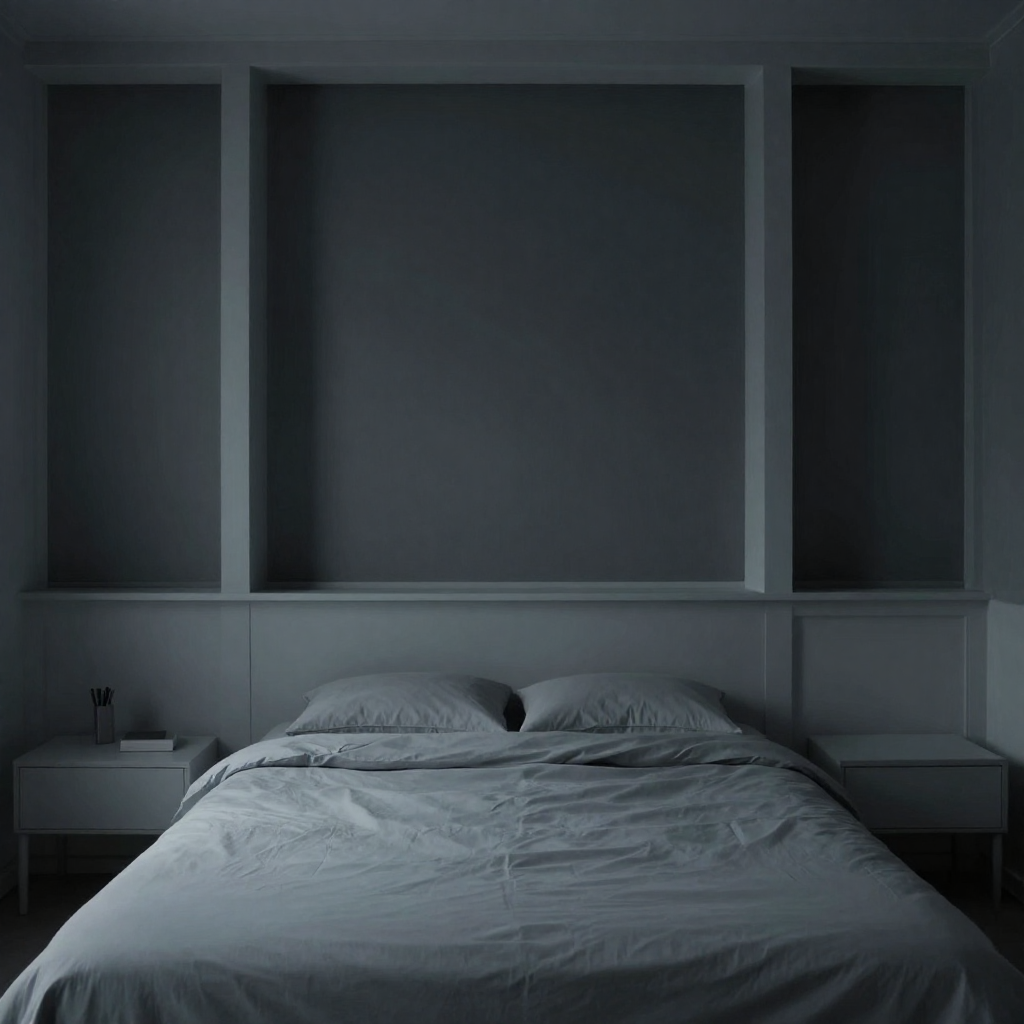
Darkness is essential for melatonin production. Even small amounts of light can reduce sleep quality.
Common sources of nighttime light:
- Streetlights
- Electronic device LEDs
- Alarm clocks
- Hallway lighting
Sleep Hacking solutions include:
- Blackout curtains
- Covering or removing LEDs
- Using eye masks when needed
Complete darkness signals the brain that it is safe to sleep deeply.
Temperature and Deep Sleep
The body naturally lowers its core temperature during sleep. A cool environment supports this process.
Optimal Sleep Hacking temperature range:
- 60–67°F (15–19°C)
A room that is too warm increases restlessness and reduces deep sleep.
Tips:
- Lower thermostat at night
- Use breathable bedding
- Avoid heavy blankets
Noise Control and Sleep Continuity
Unexpected sounds cause micro-awakenings, even if you do not remember them.
Sleep Hacking approaches to noise:
- White noise machines
- Fans or consistent background sounds
- Earplugs if necessary
- Soundproofing where possible
Consistency matters more than silence.
The Bed: Comfort, Support, and Association
The bed should be associated only with sleep and intimacy. Using the bed for work or entertainment trains the brain to stay alert.
Sleep Hacking rules:
- No work in bed
- No scrolling in bed
- Get out of bed if unable to sleep after 20 minutes
This strengthens the brain’s sleep association.
Mattress and Pillow Optimization
There is no universal “best” mattress. sleep optimization prioritizes alignment and pressure relief.
Considerations:
- Sleeping position
- Body weight
- Firmness preference
Pillows should support neck alignment, not force unnatural angles.
Air Quality and Breathing
Poor air quality disrupts sleep subtly but consistently.
Sleep Hacking improvements include:
- Proper ventilation
- Air purifiers if needed
- Avoiding strong scents or chemicals
Clean air supports uninterrupted breathing and relaxation.
Bedroom Minimalism and Mental Calm
Visual clutter increases cognitive load. A cluttered bedroom can subconsciously increase stress.
Sleep Hacking encourages:
- Minimal furniture
- Neutral colors
- Clean surfaces
A visually calm space promotes mental calm.
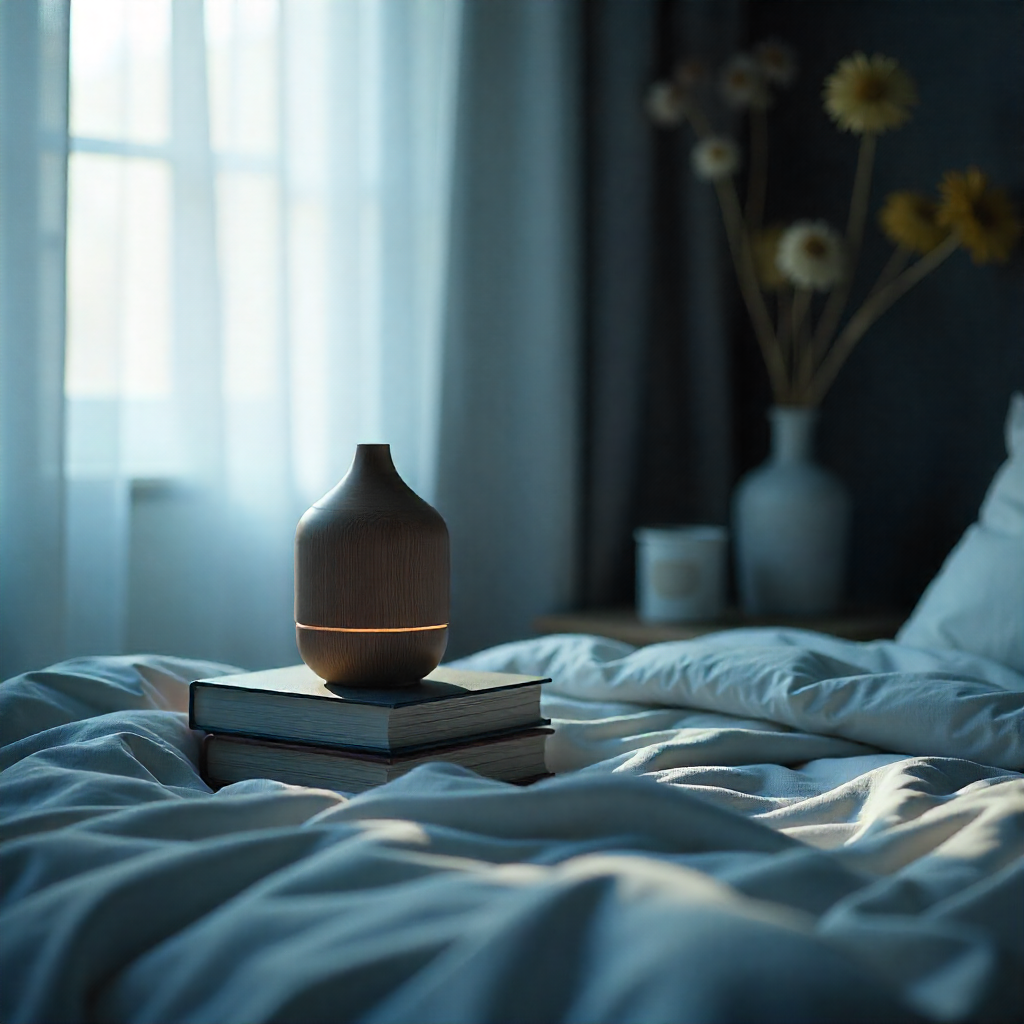
Scent and Sleep Hacking
Certain scents activate relaxation pathways.
Common Sleep Hacking scents:
- Lavender
- Chamomile
- Sandalwood
Use lightly—overpowering scents can become stimulating.
Technology-Free Sleep Zones
Electronics emit light, sound, and electromagnetic stimulation.
Sleep Hacking recommends:
- No televisions in the bedroom
- Phones outside the bed area
- Using analog alarm clocks
Reducing technology strengthens sleep boundaries.
Pets and Sleep Quality
While comforting, pets can disrupt sleep through movement and noise.
Sleep Hacking suggests evaluating:
- Sleep fragmentation
- Allergies
- Movement frequency
Sleep quality should take priority.
Training the Bedroom as a Sleep Trigger
Consistency turns the bedroom into a powerful sleep cue.
Sleep Hacking builds this by:
- Using the bedroom only at night
- Following the same pre-sleep routine
- Maintaining environmental consistency
Over time, entering the bedroom triggers sleepiness automatically.
The Compounding Effect of Environment Optimization
Small improvements compound into major gains. Darkness, cool air, quiet, and comfort work together to enhance every sleep cycle.
Part 9: Sleep Hacking for Work, Study, Business, and Long-Term High Performance (Final)
Sleep Hacking is not just about sleeping better—it is about living and performing better. Once sleep science, lifestyle habits, environment, nutrition, and tracking are aligned, the final step is applying Sleep Hacking to real-world demands. Work schedules, study pressure, business responsibilities, and long-term goals all place stress on sleep. This final section integrates everything into a practical, sustainable system.
Sleep Hacking for Professionals and Office Workers
Modern work environments reward long hours and constant availability, but cognitive performance depends on sleep quality.
Sleep Hacking improves professional performance by:
- Increasing sustained focus
- Reducing mental errors
- Improving emotional regulation
- Enhancing decision-making
Well-rested professionals’ complete tasks faster and with fewer mistakes.
Key strategies:
- Fixed wake-up time even on weekends
- Morning light exposure before work
- Caffeine limited to early hours
- Evening digital shutdown routine
Sleep Hacking for Entrepreneurs and Business Owners
Entrepreneurs face irregular schedules, stress, and constant problem-solving. Sleep deprivation often feels unavoidable—but it is not sustainable.
Sleep Hacking helps entrepreneurs by:
- Improving strategic thinking
- Preventing burnout
- Enhancing creativity
- Increasing emotional resilience
Instead of working late nights, Sleep Hacking shifts productivity to high-energy hours.
Practical approach:
- Protect sleep like a business asset
- Schedule deep work earlier in the day
- Use sleep data to detect burnout early
Sleep Hacking for Students and Learning Performance
Sleep is the most powerful study tool available. Memory formation happens during sleep—not during reading or lectures.
Sleep Hacking boosts academic success by:
- Improving information retention
- Increasing attention span
- Reducing exam anxiety
- Enhancing problem-solving skills
Students who sleep well often need fewer study hours.
Key habits:
- Consistent sleep schedule during exams
- No all-nighters
- Reviewing material before sleep
- Morning light exposure before classes
Sleep Hacking for Shift Workers and Irregular Schedules
Shift work challenges the circadian rhythm, but Sleep Hacking reduces damage.
Strategies include:
- Strategic light exposure during wake periods
- Complete darkness during sleep
- Controlled naps
- Consistent sleep blocks
Sleep Hacking focuses on minimizing circadian chaos, not achieving perfection.
Sleep Hacking Under High Stress
Stressful periods are when sleep is most important—and most neglected.
Sleep Hacking during high stress emphasizes:
- Strict routines
- Reduced evening stimulation
- Breathing and relaxation techniques
- Protecting sleep duration
Better sleep increases stress tolerance rather than adding more stress.
Travel, Jet Lag, and Sleep Hacking
Travel disrupts sleep, but the impact can be reduced.
Sleep Hacking travel strategies:
- Adjust sleep schedule gradually before travel
- Use light exposure to shift circadian rhythm
- Avoid alcohol on flights
- Prioritize sleep consistency upon arrival
Sleep becomes an anchor during change.

Long-Term Sleep Hacking and Longevity
Sleep is one of the strongest predictors of long-term health and lifespan.
Consistent Sleep Hacking supports:
- Cardiovascular health
- Metabolic stability
- Brain longevity
- Emotional well-being
Sleep is not passive recovery—it is active regeneration.
Building Your Personal Sleep Hacking System
Sleep Hacking is most powerful when personalized.
Steps:
- Fix wake-up time
- Control light exposure
- Optimize nutrition and caffeine
- Design the sleep environment
- Track progress periodically
- Adjust based on lifestyle demands
This system evolves with you.
Common Mistakes to Avoid
- Chasing perfect sleep scores
- Changing too many variables at once
- Using supplements as shortcuts
- Ignoring daytime habits
- Sacrificing sleep for productivity
Sleep Hacking rewards patience and consistency.
The Ultimate Truth About Sleep Hacking
Sleep Hacking is not about doing more—it is about aligning with biology. When sleep is optimized, energy increases naturally, focus sharpens, and life becomes easier rather than harder.
High performers do not sleep less.
They sleep better.
Final Conclusion
Sleep Hacking is a long-term investment with compounding returns. By mastering sleep, you master energy, clarity, health, and performance. There is no supplement, productivity hack, or shortcut more powerful than deep, consistent, high-quality sleep.
If you apply even a portion of what you have learned in this guide, your nights—and your days—will change permanently.